01:34
A soldier can experience an entire battle without ever knowing what the battle actually was.
He sees only one part of the field, follows one sequence of orders, and witnesses only the events immediately surrounding him. The battle itself is something larger: the concrete result of conflicting plans, successful actions, oversights, mistakes, and unintended consequences.
Bernard Lonergan argues that the same is true of every historical community. People live through events without necessarily understanding what those events are adding up to.
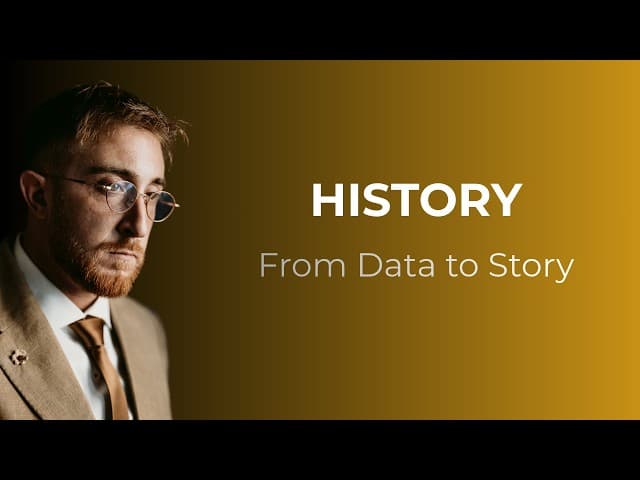
In Episode 8 of this series on Method in Theology, we examine History, the third of Lonergan’s eight functional specialties. Interpretation determines what particular authors meant. History moves beyond individual meanings to ask what was actually going forward within the communities, institutions, and cultures to which those authors belonged.
For Lonergan, history is not merely a timeline of events or a collection of reliable testimonies. It seeks the concrete processes of origination, dissemination, development, deterioration, and collapse that contemporaries themselves usually could not fully know.
This episode explores:
Lonergan’s historian does not merely repeat what witnesses said. No individual witness experienced the whole process. The historian must discover the connections that transform scattered evidence into knowledge of what was actually happening.
That knowledge remains open to revision, but openness to revision does not make it arbitrary. Competent historical work can remain solid enough to support further inquiry while acknowledging that new sources, later events, and broader contexts may deepen or correct it.
Chapters
00:00 The Eyewitness Paradox
02:25 Time and the Present
05:10 What Was Going Forward
08:20 The Living Tradition
11:20 Precritical History
14:35 Evidence and Discovery
19:38 The Best Available Opinion
In the next episode, we turn from Lonergan’s account of historical knowledge to the historians themselves. Do their descriptions of actual historical practice confirm his theory? And how can history remain objective when every historian approaches the past from within a particular standpoint?
How do we recover meaning in a fragmented world?
Short reflections on consciousness, conversion, and responsibility.
Read the full essays at Mediated by Meaning: https://mediatedbymeaning.substack.com
#meaning #philosophy #faith #psychology #jordanpeterson #catholic #lonergan #selfunderstanding