Create Account
Manage my channels
Watch later and create collections
Manage your email subscriptions
Exclusive offers and opportunities
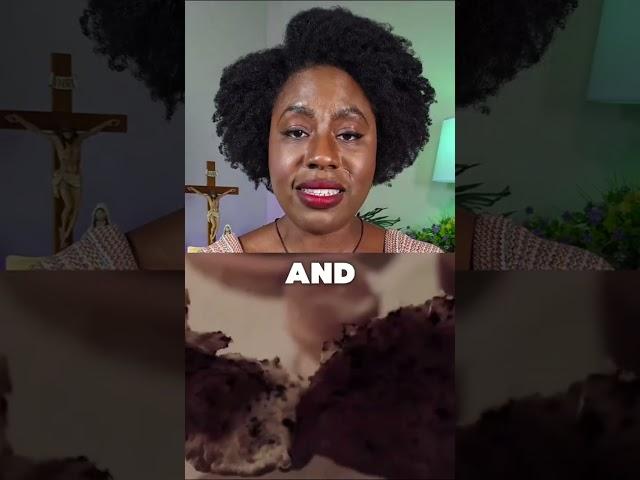
Why did God command the Israelites to EAT the Passover lamb, not just sacrifice it? Exodus 12:8 opens a remarkable window into the biblical foundations of the Holy Eucharist and the Real Presence of Jesus Christ.
DAY 3 OF 30 DAYS OF THE EUCHARIST | That Black Catholic Chick
In Exodus 12, God instructed each Israelite household to offer an unblemished lamb, mark its doorposts with the blood, and eat the roasted lamb with unleavened bread and bitter herbs (Exodus 12:3-14). The sacrifice and the sacred meal belonged together. Israel was not merely a spectator to its deliverance: the household participated in the Passover meal God commanded.
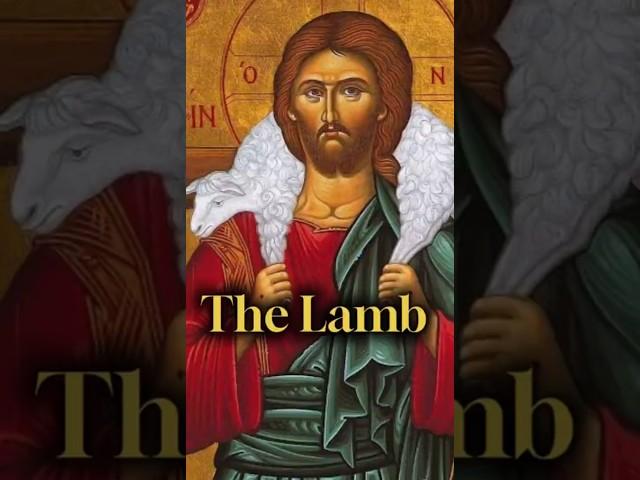
Now read Matthew 5:17. Jesus did not come to abolish the Law and the Prophets but to FULFILL them. St. Paul identifies Christ as our Passover lamb (1 Corinthians 5:7). At the Last Supper, in the setting of Passover, Jesus takes bread and declares, "This is my body, which will be given for you," then speaks of the New Covenant in His Blood (Luke 22:7-20). So what becomes of the Passover when the Lamb is Jesus Himself?
The Old Testament Passover prepares us to see the connection between sacrifice, sacred meal and communion with God. The Catholic Church teaches that Jesus gives the Passover its definitive meaning in His death and Resurrection, anticipated at the Last Supper and celebrated in the Eucharist (CCC 1339-1340).
AND WHAT ABOUT "REMEMBRANCE"? In Scripture, a liturgical memorial is more than recalling a historical fact. Israel celebrates God's saving act as an event that still shapes the community's present life. Christ's command, "Do this in memory of me," is directed to the Church's sacramental celebration. At Mass, His one, unrepeatable sacrifice on Calvary is made present sacramentally; Jesus is not crucified again (CCC 1341, 1362-1367).
This is not cannibalism. The Church does not teach that communicants consume ordinary human flesh in an ordinary physical manner. Christ gives Himself truly and substantially under the sacramental appearances of bread and wine (CCC 1374-1376). The visible signs do not merely point to an absent Jesus: He is really present.
When we reach John 6, we will examine why Jesus calls His flesh true food (John 6:51-58), why some disciples find His teaching difficult and leave (John 6:60-69), and why Catholics do not reduce the whole discourse to a mere symbol. That passage deserves careful reading in its full context.
📖 YOUR SCRIPTURE STUDY GUIDE:
• Exodus 12:1-14 - the lamb, the blood, and the command to eat
• Matthew 5:17 - Christ fulfills the Law
• 1 Corinthians 5:7-8 - Christ our Passover
• Luke 22:7-20 - the Last Supper and New Covenant
• John 6:48-69 - the Bread of Life discourse
• 1 Corinthians 10:16-17 - communion in Christ's Body and Blood
• Hebrews 9:11-15; 10:10-14 - Christ's definitive sacrifice
📚 CATECHISM STUDY: CCC 1333-1341, 1362-1367, 1374-1376.
What is the difference between remembering a sacrifice and participating in the sacrament Christ instituted? Share your thoughts or questions below. Follow for Day 4: What does "Do this in remembrance of me" REALLY mean?
#Eucharist #PassoverLamb #CatholicApologetics